EN
EN

EN
2026/04/17
As one of the most widely used machines in industrial production, air compressors are essential across a wide range of industries—for example, providing clean air for food packaging, powering automated production lines, and supporting pneumatic tools in electronics manufacturing. However, when it comes to selecting the right compressor, many users find it challenging to navigate the wide variety of models and technical parameters available.
So, how do you choose a compressor that truly fits your production needs? The following sections outline the key factors to consider when making your decision.
Motor power represents the electrical energy input of the compressor drive system and serves as the basis for generating compressed air. It reflects the available energy to drive the airend under specific operating conditions.
Airflow (FAD) refers to the actual volume of free air delivered by the compressor, typically measured in m³/min. It is influenced not only by motor power, but also by compressor efficiency, airend design, speed control, and system pressure. Therefore, airflow should be calculated based on total system demand, including peak consumption and operating cycles, to ensure a stable and sufficient air supply.
While higher motor power can support higher airflow capacity, the actual output depends on overall system design and efficiency. A properly matched system helps avoid oversizing and ensures optimal energy performance.
1. Continuous high air demand – Select based on total demand with a 10–20% safety margin and prioritize high-efficiency compressors for stable operation.
2. Intermittent high demand – Ensure sufficient capacity and properly sized air receiver tanks to handle peak consumption.
3. Low and occasional usage – Choose compact and efficient solutions that balance capacity and mobility.
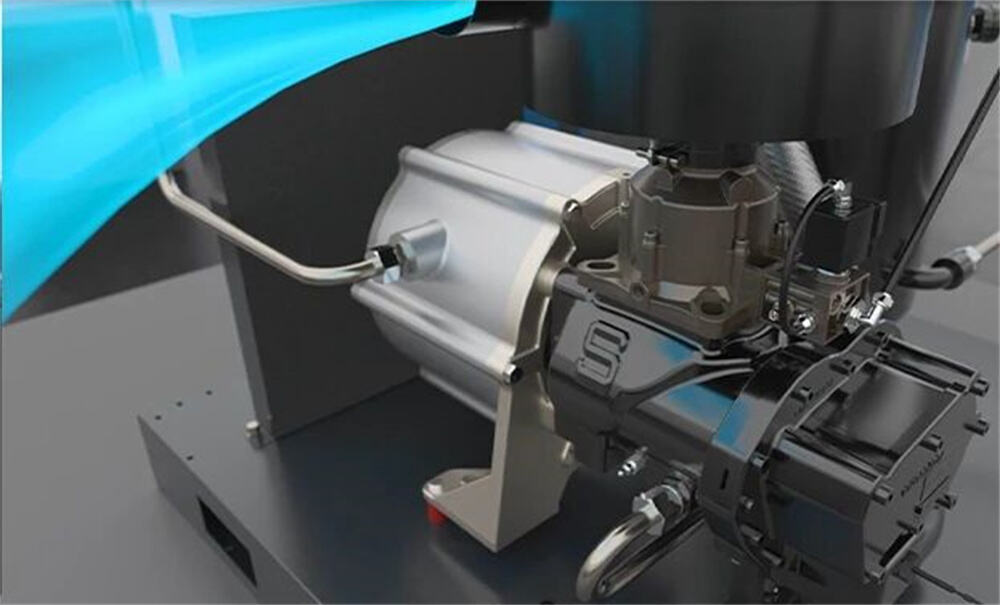
Working pressure refers to the pressure level of compressed air generated within the system, typically measured in bar or psi. It directly determines the operating capability of downstream equipment.
The required pressure varies depending on the application. Insufficient pressure can affect process accuracy and product quality, reducing productivity, while excessive pressure increases energy consumption and may lead to unnecessary wear or system failure.
· 4–6 bar: Suitable for small workshops and automotive repair applications
· 8–10 bar: Common for most manufacturing processes
· Up to 16 bar: Required for high-demand applications such as laser cutting
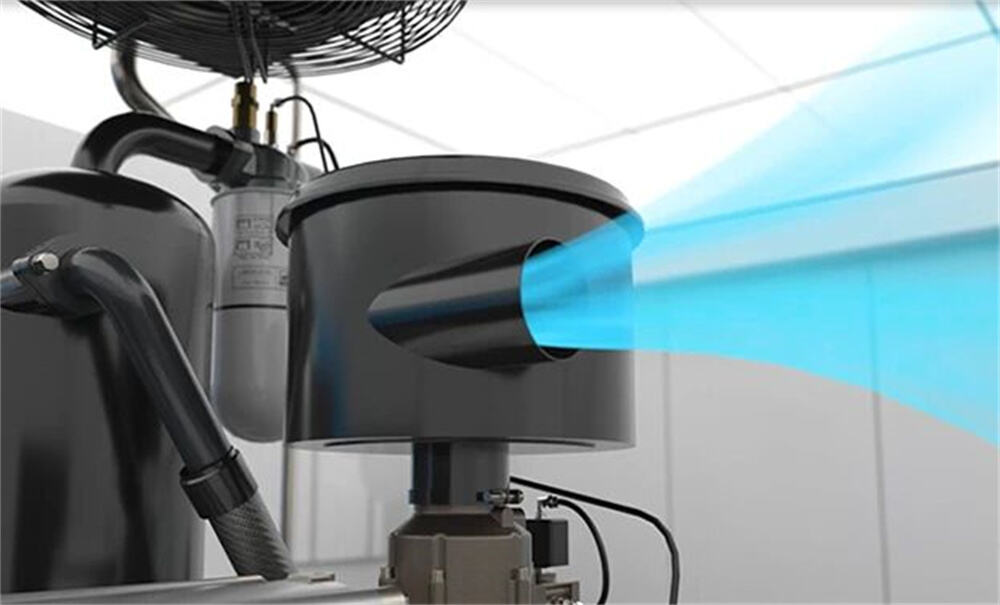
Selecting the right air compressor is not simply about choosing the highest specifications, but about matching system performance with actual application needs. By carefully evaluating airflow, motor power, and working pressure, users can achieve a balance between performance, efficiency, and long-term operating cost.