EN
EN

EN
2026/04/27
Compressed air systems are widely used across almost all industrial sectors, making the air compressor room a critical part of production infrastructure. However, from system design to daily operation, several often-overlooked factors can significantly impact equipment reliability, energy efficiency, and workplace safety. Proper maintenance and monitoring are essential to ensure stable and continuous operation.
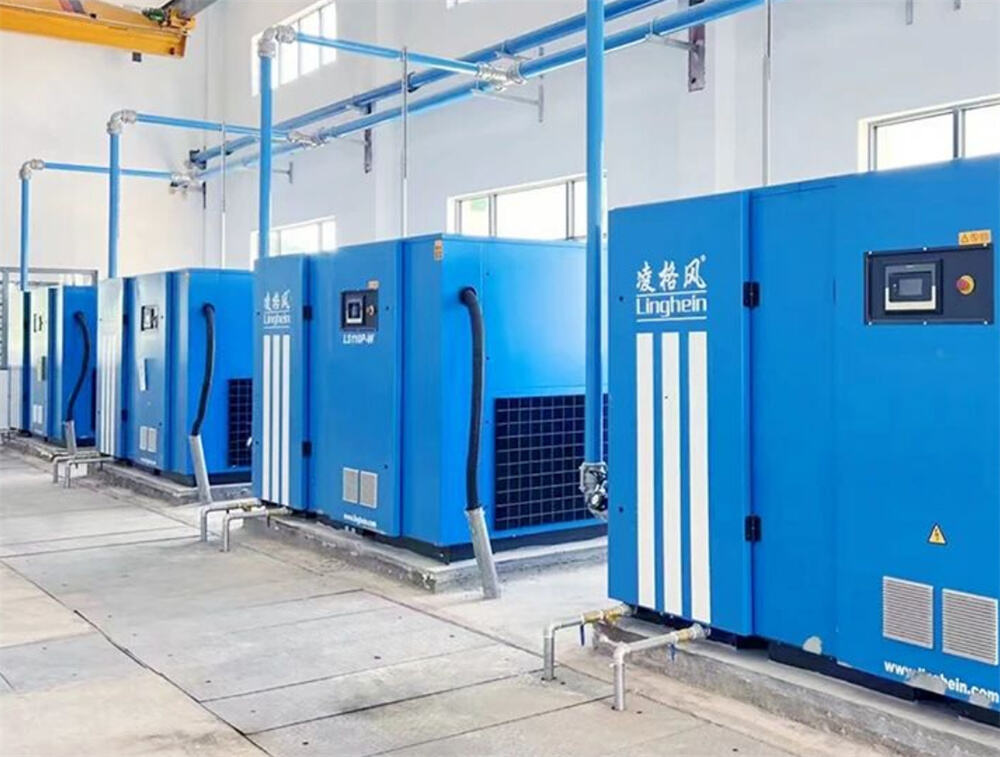
Air compressors generate a significant amount of heat during operation. Poor ventilation or the presence of external heat sources can lead to heat accumulation inside the compressor room. This may result in overheating, unexpected shutdowns, and reduced system efficiency. Regular inspection of ventilation systems, including exhaust fans and air inlets, is essential to ensure proper heat dissipation and stable operation.
Compressor operation generates both noise and vibration. If not properly controlled, vibration can affect nearby equipment, precision instruments, and building structures. According to relevant industrial standards, proper spacing and anti-vibration measures should be applied during installation to minimize impact. A stable foundation and appropriate isolation design are critical to extending equipment lifespan and maintaining operational stability.
Air compressors draw in ambient air directly, making air quality a key factor in system performance. Locations exposed to dust, corrosive substances, or flammable gases should be avoided. Proper installation distance from such environments helps reduce internal wear, prevent contamination, and improve safety.
Electrical systems must be properly matched to compressor power requirements. Over time, wiring insulation may degrade due to environmental conditions or long-term use, increasing the risk of electrical failure or fire hazards. Regular inspection and preventive maintenance of electrical components are necessary to ensure safe and reliable operation.
Compressed air systems generate condensate containing oil and impurities. Without proper treatment, discharge may lead to environmental pollution and compliance issues. An appropriate condensate management system should be in place to ensure safe and environmentally responsible operation.
For water-cooled compressors, poor water quality can lead to scaling and clogging within the cooling system, reducing heat exchange efficiency. Cooling water should comply with relevant industrial standards, and treated or softened water is recommended where applicable. For oil-free water-lubricated systems, water quality directly affects performance, lubrication, and sealing efficiency, making proper water treatment essential.
Compressors should be installed on a solid, level surface to ensure stable operation. Uneven foundations may cause excessive vibration, noise, oil leakage, or even resonance effects, which can shorten equipment lifespan. Proper installation planning is a key factor in long-term system reliability.
Regular preventive maintenance is essential for maintaining compressor efficiency and avoiding unexpected downtime. Especially before seasonal changes or long shutdown periods, scheduled inspections and servicing can help identify potential issues early and ensure stable system performance.
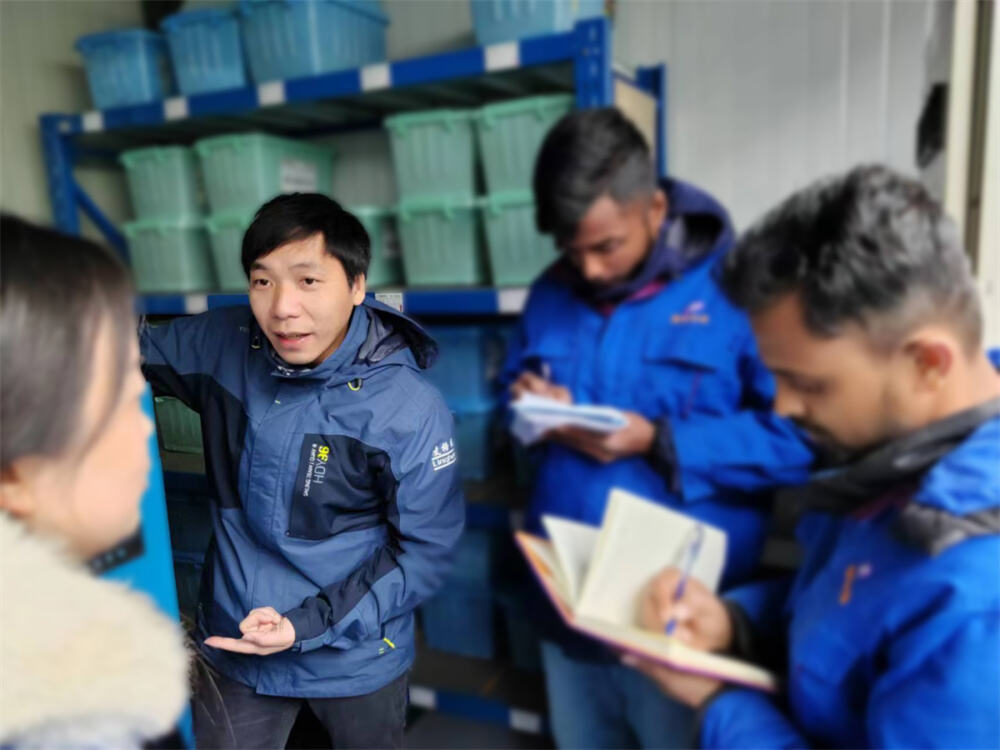
Proper maintenance of a compressed air station is not only about preventing failures, but also about ensuring long-term efficiency, safety, and stable production performance. By paying attention to key factors such as ventilation, installation conditions, air quality, and preventive maintenance, manufacturers can significantly reduce operational risks and improve overall system reliability.
With extensive industry experience, Linghein provides more than just equipment. We support customers with system-level solutions, technical guidance, and after-sales services to ensure every compressor station operates at its optimal performance throughout its lifecycle.