EN
EN

EN
2026/04/23
Selecting the right air compressor involves more than comparing technical specifications alone. It requires a clear understanding of both the machine’s core performance parameters and the actual operating conditions in which it will be used.
This article is structured around two key dimensions: compressor type and key technical criteria, followed by operating environment considerations. Together, they provide a practical framework to help users make more informed selection decisions.
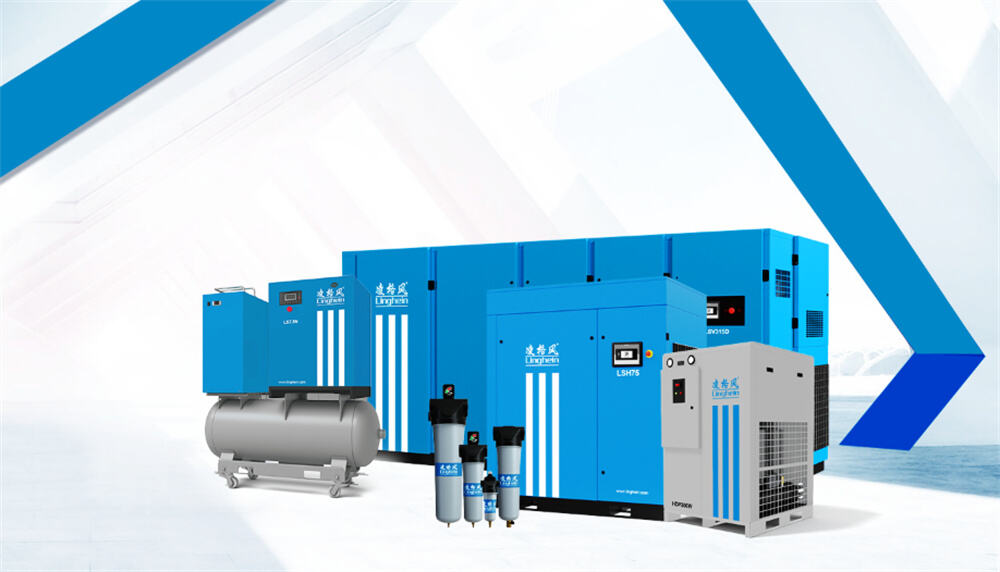
Choosing the right drive type and technology depends on air demand patterns, operating conditions, and efficiency requirements. Different compressor technologies are designed to optimize energy use, space, and performance for specific applications.
Automatically adjusts motor speed based on real-time air demand, significantly reducing energy consumption during partial load and minimizing unload losses.
Operates at a constant speed with continuous output and energy consumption, suitable for applications with stable and high air demand where load variation is minimal.
Utilizes a two-stage compression process to improve efficiency and reduce energy loss, making it ideal for long-running operations that require stable performance and higher efficiency.
Combines compressor, air tank, dryer, and filters into a compact system, saving installation space and reducing piping and operational costs while ensuring easy maintenance.
Delivers 100% oil-free compressed air, ensuring high air purity for sensitive industries such as food, pharmaceutical, electronics, and medical applications.
Designed for mobility and flexible operation, suitable for construction sites and outdoor applications where compressed air is required in different locations.
Operating conditions have a direct impact on compressor performance, efficiency, and service life. Factors such as ambient temperature, humidity, dust levels, ventilation, and installation altitude should all be considered during selection, as they directly influence cooling efficiency, filtration requirements, and overall system stability.
High-temperature environments such as foundries, steel plants, and heat treatment workshops require compressors with enhanced cooling capacity to maintain stable air performance.
Dust-heavy environments such as cement plants, woodworking facilities, and mining operations require heavy-duty filtration systems to prevent contamination and ensure reliable operation.
High humidity or coastal environments may require corrosion-resistant components and improved air treatment systems to avoid moisture-related performance issues.